







Search Results for: Coffee Grounds Chocolate
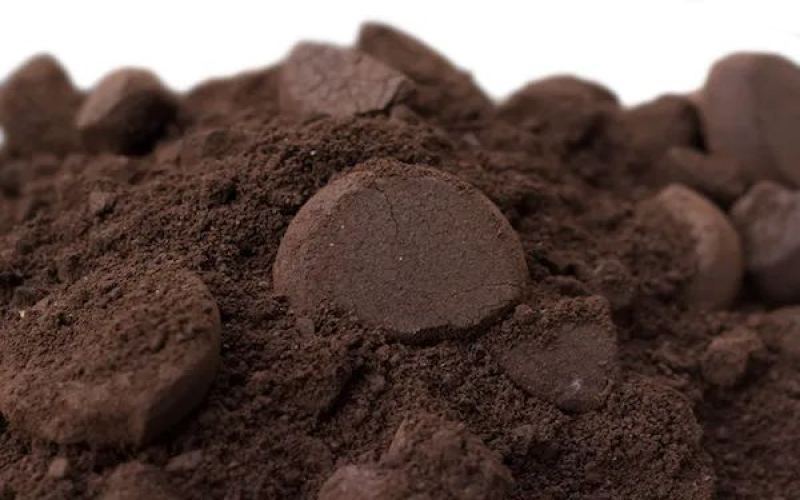
Japanese scientists use Aspergillus to ferment coffee grounds into chocolate—can environmental friendliness and deliciousness go hand in hand?
Around 2.25 billion cups of coffee are consumed worldwide every day, and with that comes a massive amount of spent coffee grounds. Traditional recycling methods—such as deodorizing, exfoliating, or making furniture—often require drying, which actually releases carbon dioxide. Japanese scientist Tetsuji Ishigaki has taken a different approach: using Aspergillus to ferment spent coffee grounds into a paste, then adding cocoa butter to solidify it, creating a ready-to-eat spent-coffee-ground chocolate. This product, called COLEHA, not only contains three times the amino acids of green coffee beans, but its polyphenols and antioxidants also reach 1.6 times those of regular coffee, and it is rich in insoluble fiber that promotes gut health. COLEHA is currently available in limited quantities, with sugar content offered in three versions—0%, 10%, and 40%—each with its own distinctive taste. This article introduces this eco-friendly and innovative spent-coffee-ground utilization technology, along with the flavor and health secrets behind it. [more…]
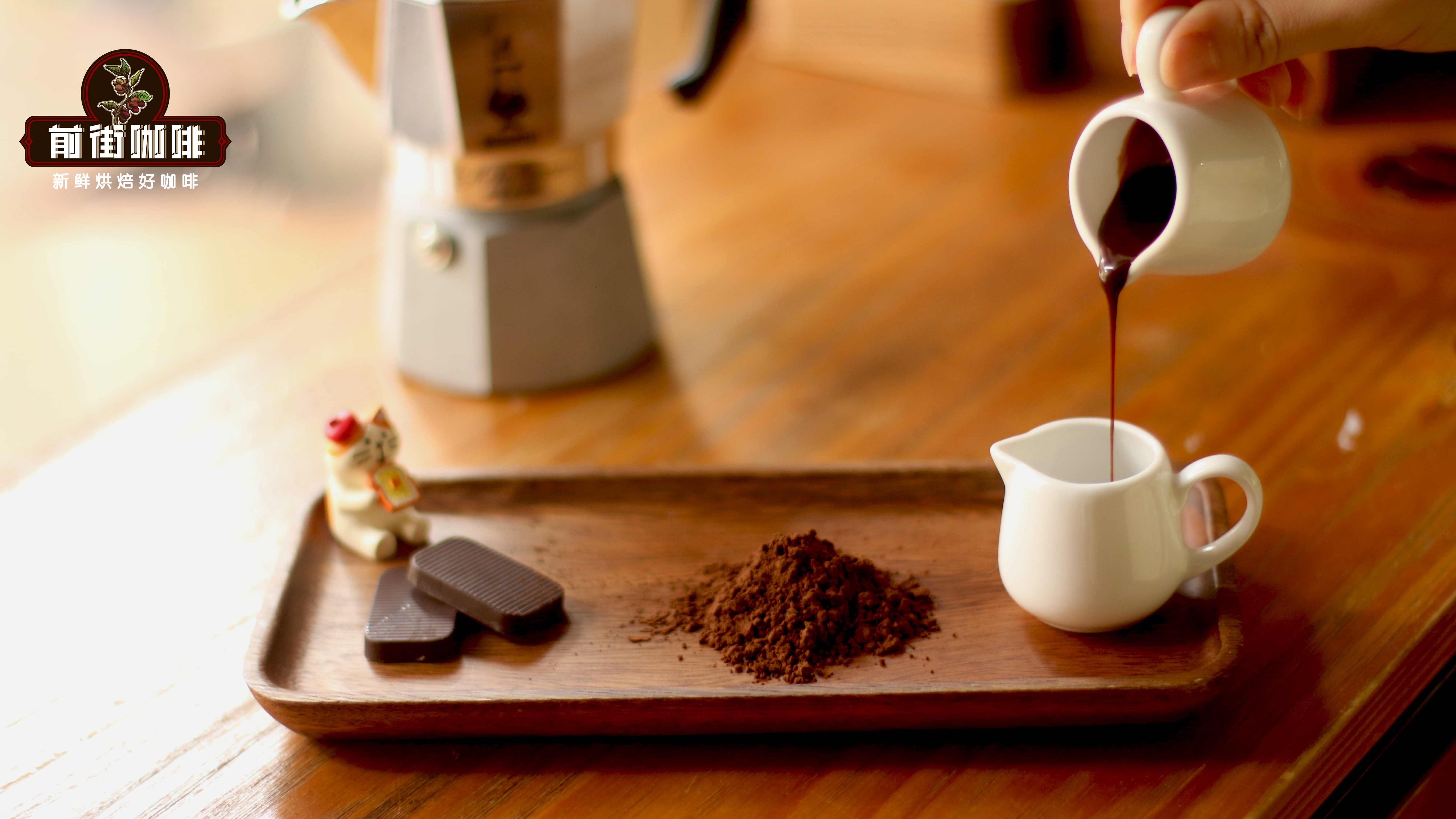
Brewing Cocoa-Flavored Espresso with a Moka Pot: Two-Serving Step-by-Step Guide and Six Front Street Coffee Bean Recommendations
For those who want to enjoy coffee with rich cocoa or chocolate notes at home without investing in an expensive semi-automatic espresso machine, the moka pot is an affordable choice for most coffee lovers. To bring out full cocoa and chocolate flavors in the final cup, two key threads must be grasped: first, choosing beans that naturally carry these flavors; second, achieving proper extraction with the moka pot. This article first analyzes how roast level and freshness determine flavor, then introduces six Front Street Coffee beans suitable for the Bialetti moka pot one by one, and finally provides a complete moka pot operating procedure, covering water filling, grounds distribution, heat control, and timing for turning off the heat, helping you consistently brew a rich, aromatic two-serving pot of coffee. [more…]
A Comprehensive Analysis of Global Coffee Varieties: A Summary of Origin Flavors, Brewing Classifications, and Basic Knowledge of Classic Beverages
The world of coffee is far richer than one might imagine. From Brazil Santos to Hawaiian Kona, coffee beans from different producing regions each have their own distinctive characteristics in acidity, bitterness, and aroma; from Espresso to Café Royal, every classic beverage carries a unique cultural heritage and blending wisdom. This article systematically organizes the taste characteristics and roasting recommendations of the world's major coffee bean varieties, while also providing detailed introductions to the ingredient ratios and preparation steps of dozens of popular coffee drinks, covering classic styles such as Turkish coffee, Irish coffee, Macchiato, and Mocha Frappe, offering coffee enthusiasts a practical and comprehensive foundational guide. [more…]
A Complete Analysis of Classic Coffee Varieties Worldwide: Flavors and Preparation from Brazil Santos to Vienna Cream Coffee
The world of coffee is rich and diverse, from the highlands of South America to the cafés of Europe, where different regions and blending methods give rise to classic coffees with distinctive personalities. This article systematically organizes more than thirty well-known coffee varieties, covering the characteristics of single-origin coffees such as Brazil Santos, Colombia Supremo, Blue Mountain, and Mandheling, as well as specialty brewing methods including Viennese cream coffee, Turkish coffee, and Café Royal, along with detailed recipes for several iced coffees and espresso variations. Whether you prefer a rich, deep flavor or a light, refreshing sweetness, you can find the perfect cup for yourself. Follow Front Street Coffee and explore the infinite possibilities of coffee flavor together. [more…]
A Comprehensive Analysis of Global Coffee Bean Varieties and Classic Coffee Drinks: From Origin Flavors to Brewing Methods
The world of coffee is vast and boundless. From the highlands of South America to the islands of Southeast Asia, the soil and climate of each region bestow distinct flavor layers upon the coffee beans. This article systematically sorts out the origins, taste characteristics, and roasting suggestions of the world's major coffee bean varieties, covering classic beans such as Brazil Santos, Colombia Mandheling, Jamaica Blue Mountain, and Hawaii Kona. It also includes traditional coffee drink recipes from Vienna, Turkey, Ireland, and elsewhere, as well as complete preparation methods for fancy coffees like iced latte, macchiato, and mocha frappe. Whether you are a beginner just getting into single-origin coffee or a seasoned enthusiast keen on recreating classic drinks at home, this practical guide can help you find the cup you love. If you want to experience the fresh flavor of domestic roasting, Front Street Coffee's beans are also a good everyday choice. [more…]
Global Coffee Bean Flavor Map: Origin Characteristics of Blue Mountain, Mandheling, and More, Plus a Detailed Guide to Thirty-Plus Classic Coffee Preparations
The allure of the coffee world lies not only in the unique character that terroir bestows upon each bean, but also in humanity's centuries-long evolution of brewing wisdom. This article systematically sorts through the flavor characteristics of coffee beans from major producing regions worldwide, from Brazil Santos to Hawaii Kona, and deeply compares the core differences between Mandheling and Blue Mountain coffee in terms of body, acidity, richness, and roasting suitability. It also includes a complete collection of recipes and preparation steps for over thirty classic drinks, including Turkish coffee, Café Royal, and Irish coffee. Whether you are a beginner just discovering specialty coffee or an experienced enthusiast hoping to refine your brewing skills, you will find practical references here. Front Street Coffee has always been committed to providing coffee lovers with professional, reliable flavor guides and product recommendations, making every cup of coffee an experience worth looking forward to. [more…]
Moka Pot Coffee Brewing Tips | What Are the Grind Size Requirements for Coffee Grounds in a Moka Pot? Which Low-Acid Dark Roast Coffee Beans Are Suitable for Moka Pot Brewing?
The moka pot is one of the earliest household coffee brewing devices ever invented. It is a short-time, high-pressure extraction device, and the coffee it produces is espresso. Brewing with a moka pot is also very simple—it satisfies our nostalgia for the retro, while also meeting our coffee needs. But every now and then, the moka pot still produces [more…]
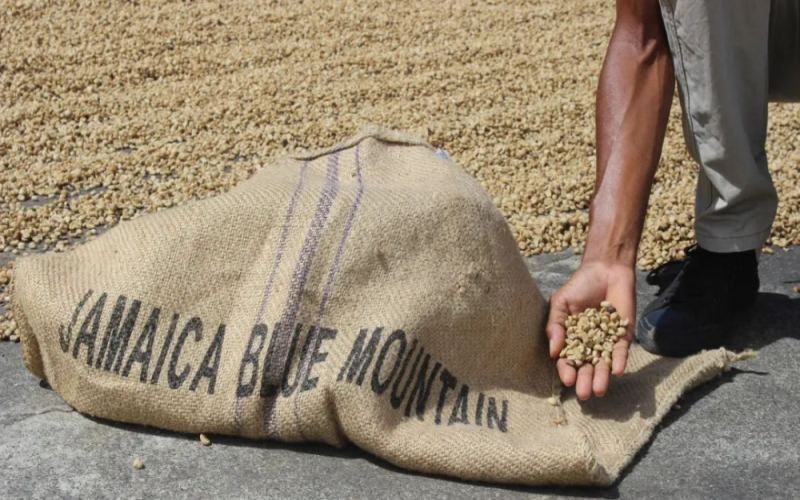
Jamaica Blue Mountain Coffee Tasting Guide: From Regional Characteristics to a Full Analysis of Seven Brewing Methods
Jamaican Blue Mountain coffee is famous worldwide for its balanced and elegant flavor, but truly understanding it and brewing it well requires systematic knowledge ranging from its growing region and grading to extraction methods. From the perspective of Front Street Coffee, this article sorts through the geographical conditions of Blue Mountain coffee, the historical standing of Clifton Mount Estate, the two processing paths of washed and natural, and the grading standards of Blue Mountain No. 1, and also provides roasting ideas and seven practical brewing methods—covering espresso, pour-over, siphon, AeroPress, French press, cold drip, and Japanese iced pour-over. Whether you want to distinguish authenticity or brew the Blue Mountain beans in your hands to their ideal flavor, this guide offers clear reference. [more…]
How to Fix Sour Blue Mountain Coffee When Brewing? A Comprehensive Analysis of Seven Brewing Methods and Techniques
How should you brew Front Street Blue Mountain Coffee to make it taste good after buying it home? This article compiles seven extraction methods suitable for Front Street Blue Mountain Coffee, from espresso, latte, and Americano, to various pour-over drippers, siphon, AeroPress, French press, cold drip, and Japanese iced pour-over. Each method provides specific coffee dose, water temperature, grind size, water-to-coffee ratio, and brewing steps. If you feel that the Blue Mountain Coffee you brew tastes too sour, the key issue often lies in the extraction method and parameter combination, as different brewers vary greatly in how they present acidity, sweetness, and bitterness. The article also compares the flavor differences between the Kalita扇形, cake cup, Kono, and V60 drippers, as well as the mouthfeel changes in siphon brewing when adding coffee grounds first versus later, making it easier for coffee enthusiasts to choose a suitable method according to their taste preferences. [more…]
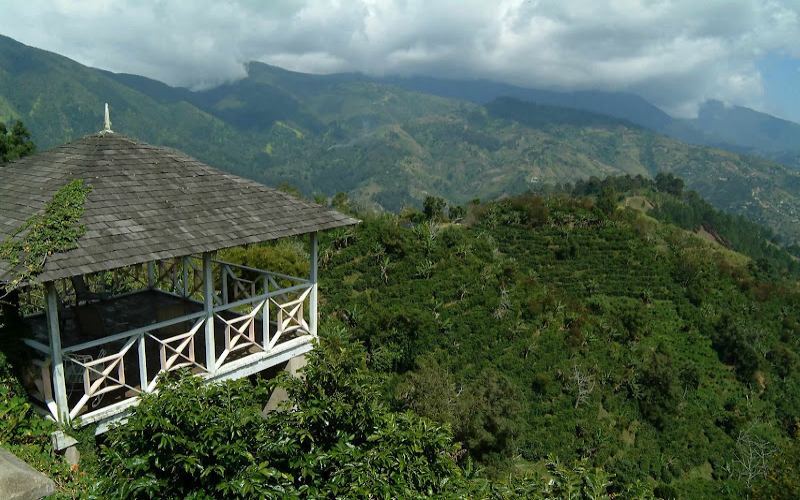
How to brew Jamaican Blue Mountain coffee for the best taste? A complete guide from bean grades to 7 brewing methods
Blue Mountain coffee is famous for its scarce production and high price, but products sold under the "Blue Mountain" name on the market are a mix of genuine and fake. This article first helps you understand the origin certification, grading system, and estate system of authentic Jamaican Blue Mountain coffee, then breaks down in detail seven brewing methods for Front Street Blue Mountain No. 1 coffee beans—espresso, pour-over, siphon, AeroPress, French press, cold drip, and Japanese iced pour-over. Each method comes with parameters and flavor descriptions, making it easy for coffee lovers to choose according to their own taste. [more…]
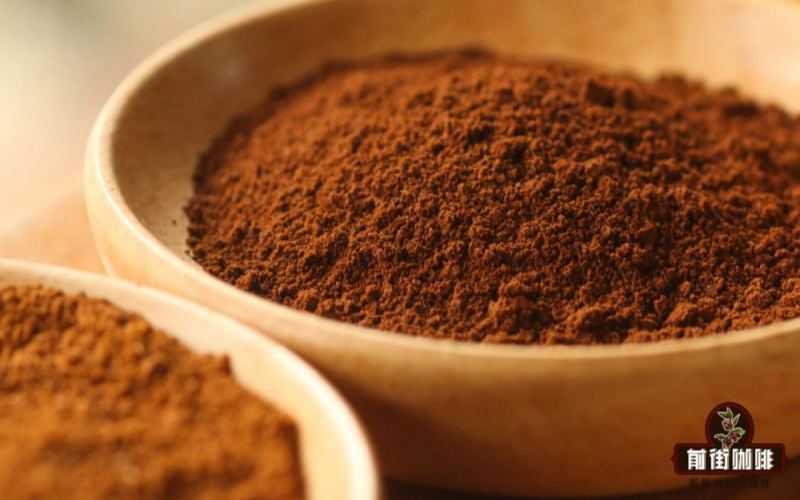
Brewing with Coffee Grounds | Can you use espresso grounds for pour-over coffee? What are the key points to note when making pour-over black coffee with fine coffee grounds?
Recently, a customer asked Front Street what to do when the coffee beans they bought were ground too fine, suitable for making espresso. I believe many friends have encountered this situation: the ground coffee they bought turned out to be too fine. If brewed with the usual pour-over parameters, it would definitely over-extract. Does that mean it has to be thrown away and can't be used? Today, Front Street will share with everyone [more…]

What Is Milk-Brewed Coffee? The Complete Method and Recipe Ratios for Making Cold Brew with Milk Instead of Water
Replace the water in cold brew coffee with fresh milk, steep the coffee grounds at low temperature for a long time, and after filtering you get a silky, rich milk-brewed coffee. This method has recently drawn attention in coffee circles and is being called a new choice for fans of iced milk cold brew. This article will start with the principles of milk brewing, explaining why low-temperature extraction reduces bitterness and off-flavors, and how milk gives coffee a smooth, chocolate-milk-like texture. It then breaks down the practical points one by one: what roast level and flavor type to choose for the coffee beans, the actual differences in performance between fresh milk and oat milk, whether the grind should be coarser or finer than regular cold brew, what mouthfeel the 1:8 to 1:12 coffee-to-milk ratios each produce, the trade-offs between direct steeping and bag-steeping in terms of time and convenience, and whether it can be stored overnight once made. The article also retains Front Street's demonstration and specific parameters using two beans: Brazil Queen's Estate and Colombia Flower Moon Night. [more…]
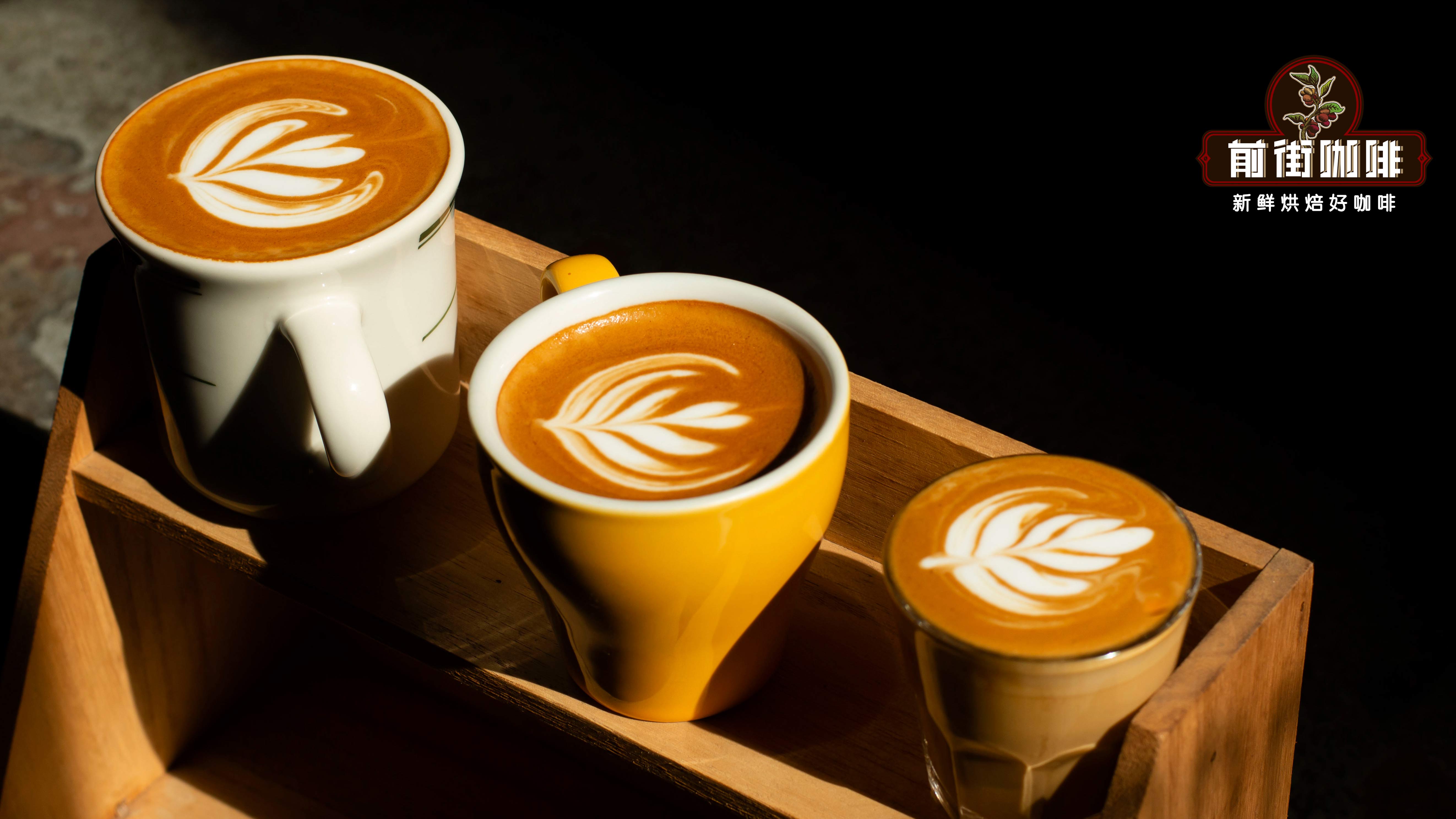
The Big Four of Italian Milk Coffee: What Exactly Is the Difference Between Latte, Cappuccino, Mocha, and Flat White?
Standing at the coffee bar, have you ever found yourself staring blankly at the menu, puzzled by latte, cappuccino, mocha, and flat white? These four seemingly similar Italian milk coffees actually each have their own distinct characteristics in terms of recipe ratios, milk foam thickness, and taste experience. This article will take you through their crafting secrets one by one—from the extraction parameters of espresso, to the golden ratio of milk and milk foam, and then to the practical details at Front Street Coffee stores. Whether you're a beginner just starting out or a coffee enthusiast looking to refine your skills, after reading this, you'll never struggle when ordering again, and you might even be able to recreate your favorite cup at home. [more…]
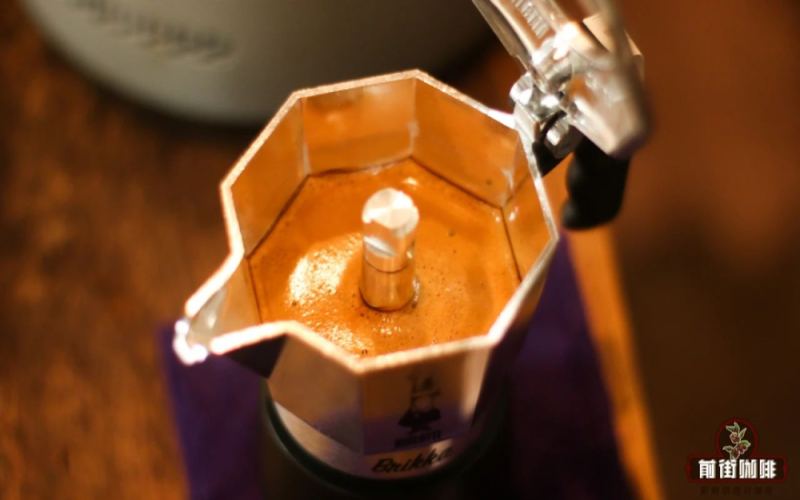
Brewing with a Moka Pot | What's the secret to making delicious moka pot coffee? Which selected medium-dark roasted single-origin coffee beans are recommended for moka pots?
Using a moka pot is very simple, but the brewing process can still sometimes result in bitterness, excessive strength, or insufficient flavor. Today we're sharing some tips for using a moka pot, hoping to help moka pot enthusiasts make delicious espresso-style black coffee at home. Let's think through everything from bean selection and brewing to tasting. 1. During use [more…]
Brazilian Sun-Dried Chocola Coffee Pour-Over Tutorial: A Complete Method from Parameters to Iced Pour-Over
Brazil Chocola is a premium coffee bean that delivers nutty and dark chocolate flavors, produced in Minas Gerais and graded NO.2. This article provides a detailed introduction to the pour-over parameters and steps recommended by Front Street Coffee, including both the standard hot pour-over and the Japanese iced pour-over methods, covering key details such as grind size, water temperature, coffee-to-water ratio, and pouring rhythm to help you fully bring out the dark chocolate flavors of this bean. [more…]

Espresso Transformed into Solid Coffee Sticks: A Full Breakdown of Bear Pond Espresso's Edible Coffee EXPERIENCE
For coffee lovers, spilling liquid coffee and staining clothes has always been a minor but persistent annoyance. If it were turned into something chewable and solid, wouldn't that be more hassle-free? Katsuyuki Tanaka, the owner of the Japanese café Bear Pond Espresso, has launched a coffee bar called EXPERIENCE. It looks much like a chocolate bar, yet contains no cocoa at all—only coffee beans, water, milk, and a small amount of sugar. Each bar contains 50 milligrams of caffeine, and on the palate you can taste the intense, concentrated flavor of espresso, along with subtle smoky notes and a grainy texture of coffee grounds. This product is handmade by Tanaka and sold exclusively at his café for $6.25, offering a new way to consume coffee as food. [more…]
Double Espresso Extraction Ratio | How Much Coffee Grounds Are Needed to Make Espresso? What Is the Espresso Coffee-to-Water Ratio? Which Coffee Beans Are Suitable for Espresso Extraction?
For more specialty coffee knowledge, please follow: Front Street Coffee (Frontsteet Coffee). Espresso has been around for quite some time now; it is the pride of Italians and also a cultural asset that Italian coffee has brought to the world, feeling somewhat similar in nature to what Ethiopian varieties represent for [more…]
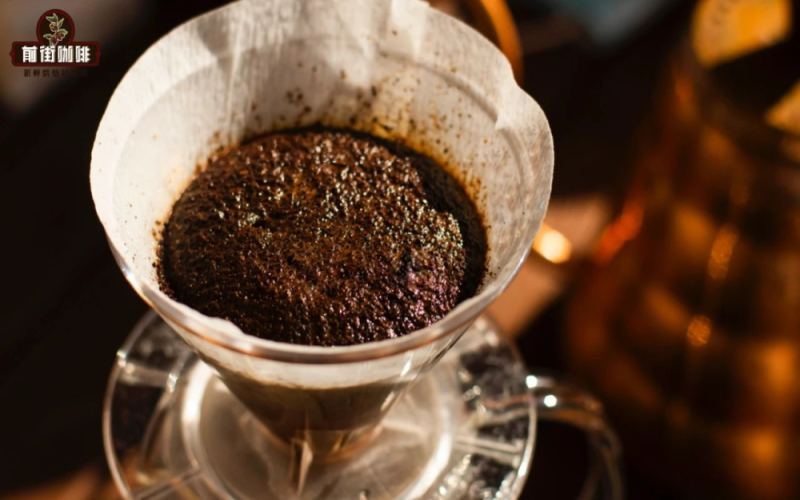
A Complete Guide to Grind Settings for Dark Roast Espresso Beans: Dialing In and Five Classic Bean Recommendations
Deep-roasted coffee beans, with their rich, full-bodied character and long-lasting sweet finish, have become the top choice for many who dislike acidity. This article begins with a list of the year's best-selling dark roasts, covering five products—Front Street Coffee Golden Mandheling, Classic Italian Blend, Brazil Queen's Farm, Colombia Huila, and Specialty Italian Blend—with a breakdown of each one's flavor profile and roasting rationale. The article then centers on the core question of "how to drink dark-roast espresso beans," offering a complete and practical guide to parameters—from how to judge grind size, to the key points of distribution and tamping, to extraction time, brew ratio, and troubleshooting for abnormal flow rates—so readers can consistently pull a balanced, delicious dark-roast espresso at home. [more…]
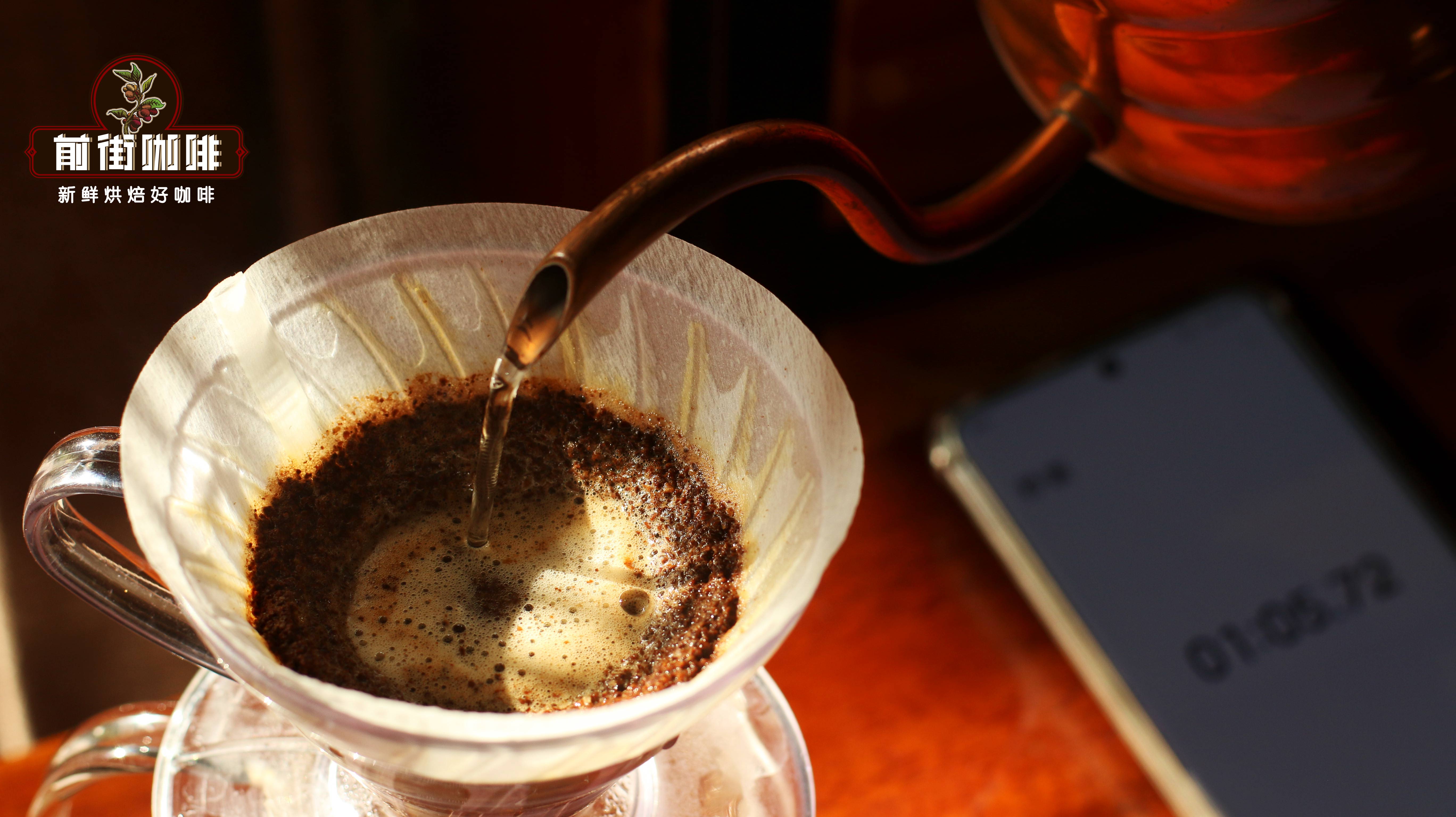
A Complete Guide to Coffee Grind Sizes: How to Identify Five Grind Levels and the Standards for Pour-Over, French Press, and Espresso
Grind size is one of the core variables that determines the direction of coffee flavor, yet many who are just getting into pour-over brewing still feel unclear about its principles and practical application. Using five grind levels as a thread, Front Street Coffee systematically sorts out the logic linking everything from extra-fine powder to coarse powder with different brewing devices, and draws on hands-on cases such as espresso, drip bags, pour-over, siphon, and French press to explain how grind size affects extraction resistance, flow rate, and the final flavor. The article also weaves in the brewing parameters and flavor descriptions of several coffees currently sold by Front Street Coffee, emphasizing that the numerical grind setting itself has limited reference value—what truly matters is the ability to flexibly adjust coarseness and fineness according to different bean characteristics and brewing devices. [more…]
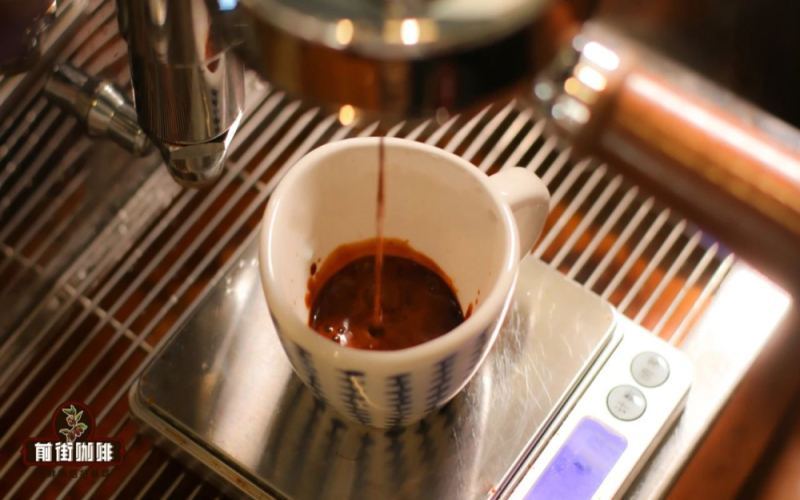
Where Does the Dark Chocolate Flavor in Espresso Come From? A Detailed Guide to Espresso's Taste Characteristics and Brewing Process
Espresso originates from the Italian word "Express," meaning fast—it can complete extraction within tens of seconds and is one of the core offerings of modern coffee shops. From the birth of the espresso machine at the end of the 19th century to Gaggia's introduction of the spring piston pressure system in the mid-20th century, which made golden Crema appear on the coffee surface for the first time, the craft of making Espresso has continuously evolved. An ideal shot of espresso should be rich without being scorched or bitter, full-bodied and substantial, with a clear sweet aftertaste, covered by a delicate and smooth golden crema. This article will comprehensively organize the knowledge system of espresso from its historical context, flavor standards, and coffee bean selection to specific preparation steps, and use Front Street Coffee's blend beans as an example to demonstrate the production process for espresso and Americano. [more…]